Smart Film for Corporate HQs
Estate-wide smart film deployment for corporate headquarters. Executive privacy, reception glazing, multi-floor BMS integration, and prestige fit-out specification — planned and delivered by PriviFilm™ approved partners across the UK.
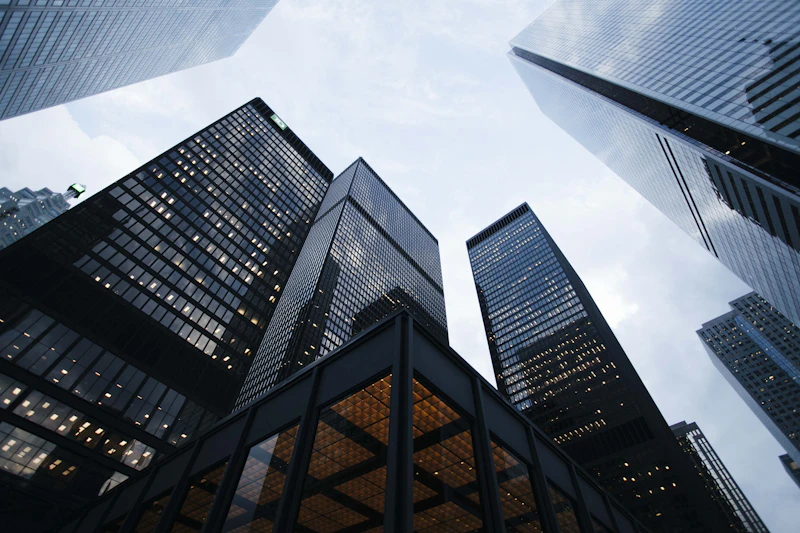
Corporate HQ Smart Film — A Different Scale of Specification
A corporate HQ is not a single office. It is an estate — multiple floors, multiple zones, multiple audiences. The privacy requirement at reception is different from the boardroom. The operational need on a trading floor is different from an executive suite. Any smart film specification for a corporate headquarters must account for this complexity: zone-level control, central monitoring, phased installation across an occupied building, and integration with existing building systems.
PriviFilm™ approved partners are experienced in multi-floor, phased HQ programmes. Estate-wide installations are scoped with a full technical survey, zone mapping, BMS integration planning, and an installation programme that works around the building's operational schedule. Priority zones — boardrooms, executive floors, reception — are typically installed first to deliver immediate value while the broader programme proceeds.
The commercial case for HQ smart film is distinct from single-room applications. At estate scale, the cumulative elimination of blinds maintenance, the improvement in energy performance from solar control, and the enhancement of the building's marketable specification all contribute to a return on investment case beyond simple privacy management.
Related: Boardrooms · Meeting Rooms · Glass Partitions
Where Smart Film is Specified in a Corporate HQ
Each zone in a headquarters environment has a distinct privacy requirement. Smart film addresses all of them through zone-level control.
Executive Suite & C-Suite
Board-level confidentiality for the leadership floor. Privacy from visitor routes, adjacent open-plan areas, and reception. Integrated with AV and security systems.
Reception & Visitor Arrival
Create a visual boundary between public arrival spaces and internal operations. Switch to opaque during sensitive periods; clear for a welcoming open environment day-to-day.
Boardrooms & Leadership Meeting Rooms
Full-opacity privacy, AV integration, and rear projection capability. The primary high-specification smart film application in any corporate HQ.
Investor & Client Areas
Prestige specification for spaces where client and investor impression is a business priority. Smart film delivers a demonstrable technological capability alongside functional privacy.
Trading Floors & Sensitive Operations
Visual security from visitor routes and public corridors. Prevents line-of-sight access to screens, documents, and operational activity from non-credentialed personnel.
Hybrid Workspace Zones
Flexible privacy for agile office environments. Pods, focus rooms, and collaboration spaces that serve multiple functions throughout the working day.
HQ Smart Film — Estate Deployment Process
A five-phase process for multi-floor corporate headquarters installations.
Estate Assessment
Technical survey of the entire HQ estate — floor by floor. Glass types, electrical infrastructure, BMS integration points, and zone mapping. Output: a full specification and phasing plan.
Priority Zone Installation
High-value zones installed first — executive floors, boardrooms, reception. These deliver the most immediate commercial and operational value and enable the project sponsor to demonstrate ROI.
Phased Floor-by-Floor Rollout
Remaining floors completed in agreed phases, co-ordinated around the building's operational calendar. Out-of-hours options available for sensitive areas.
BMS / AV Integration
Smart film zones integrated with the building's central control infrastructure. Centralised monitoring, scheduling, and zone management configured and tested.
Handover & Staff Training
Facilities management team trained on control systems, zone management, and routine maintenance. Full warranty documentation issued. Ongoing support provided.
Corporate HQ Smart Film — Technical Specification
Key parameters for facilities managers and M&E specification teams.
Smart Film for Corporate HQs — Common Questions
Can smart film be deployed across multiple floors of a corporate HQ?
+
Yes. Multi-floor rollouts are a common PriviFilm™ application. Each floor is installed as an independent project — or phased across a building programme. A single building-wide BMS integration point can provide centralised control and monitoring across all floors and zones. Approved partners co-ordinate directly with facilities managers and M&E contractors for multi-floor programmes.
How is smart film managed across a large corporate estate?
+
For corporate HQ installations, smart film zones are typically connected to the building's BMS or a dedicated AV control system (Crestron, AMX, KNX). This provides centralised visibility, scheduled privacy across time zones, and coordination with meeting room booking software. Individual room control is retained alongside centralised management.
What areas of a corporate HQ benefit most from smart film?
+
The highest-value applications in a corporate HQ are: executive suite glazing (board and C-suite confidentiality), reception and waiting areas (visitor management), boardrooms and leadership meeting rooms (presentation and privacy), and trading or sensitive operations floors (visual security from visitor routes). Open-plan office partitions and atrium glass are secondary applications.
Can smart film be used on reception glazing to manage visitor access?
+
Yes. Reception area smart film is commonly used to create a visual boundary between public arrival spaces and internal office operations. The glass can be clear when open and welcoming, and switched to opaque during sensitive periods — board visits, investor meetings, or after-hours security protocols.
Is a phased installation across a live corporate HQ possible?
+
Yes — and this is the typical approach for occupied HQ buildings. PriviFilm™ approved partners plan installations floor by floor or zone by zone, working around operational schedules. Out-of-hours installation is available for particularly sensitive environments. The phased approach ensures continuity of operations while the building upgrade proceeds.
Does smart film form part of a BREEAM or sustainability specification?
+
Smart film's solar control properties (reducing solar heat gain) can contribute to energy performance specifications. However, PriviFilm does not make explicit BREEAM credit claims. For sustainability-focused specifications, contact our technical team to discuss the film's thermal performance data and how it might be incorporated into a broader building performance assessment.
Corporate HQ Smart Film — Request an Estate Survey
PriviFilm™ approved partners scope multi-floor HQ programmes with facilities managers, M&E contractors, and project architects across the UK.
When Smart Film May Not Be The Right Solution
Smart film is the correct specification for most privacy glazing applications — but there are scenarios where alternative solutions should be considered.
Blackout required
Smart film does not black out — it produces a bright white opacity when unpowered. If complete light exclusion is required (cinema rooms, photography studios, sleep environments), smart film should be combined with blackout curtains or blinds.
Variable tinting needed (not full privacy)
PDLC film switches between clear and opaque — it does not offer variable tint levels. If the requirement is light control without full privacy (atrium roofs, skylights, sunrooms), SPD (Suspended Particle Device) or electrochromic tinting may be more appropriate.
Curved or textured glass
Smart film is a flat substrate and cannot conform to curved, bent, or textured glass surfaces. For curved glazing, factory-laminated smart glass or alternative privacy solutions are required.
No electrical supply practical
Smart film requires a permanent low-voltage electrical connection. In listed buildings, conservation areas, or heritage properties where running new electrical circuits is prohibited or impractical, static privacy solutions (frosted film, manifestations) may be the only viable option.
Budget-constrained projects
Smart film has a higher upfront cost than static alternatives (frosted film, blinds, curtains). For projects where capital cost is the primary driver and switchable functionality is not required, static solutions provide privacy at lower initial expense.
Exterior glazing
Smart film is designed for interior application. Exterior exposure to weather, UV degradation, and temperature extremes reduces service life. For exterior switchable glazing, factory-laminated smart glass units are required.
Explore the PriviFilm Ecosystem